"Nigeria's premier wildlife sanctuary, home to elephants, lions, and natural warm springs."
Yankari National Park lies in northeastern Nigeria, in Bauchi State, covering a large area of Sudan and Guinea savanna dotted with acacia trees, rocky outcrops, and seasonal rivers. Its remote setting and relatively undeveloped surroundings give it an authentic “into the wild” feel that contrasts with Nigeria’s busy cities.
Established first as a game reserve and later upgraded to national park status, Yankari has long been seen as Nigeria’s flagship wildlife destination and a symbol of conservation in the country. The park offers a combination of game drives, natural warm springs, and basic lodge-style accommodation, making it suitable for both domestic and international visitors.
Yankari is best known for its elephants, which are among the largest remaining herds in West Africa and a key reason many visitors come to the park. Other wildlife that may be spotted on game drives includes antelopes, baboons, monkeys, waterbucks, and various smaller mammals of the savanna ecosystem.
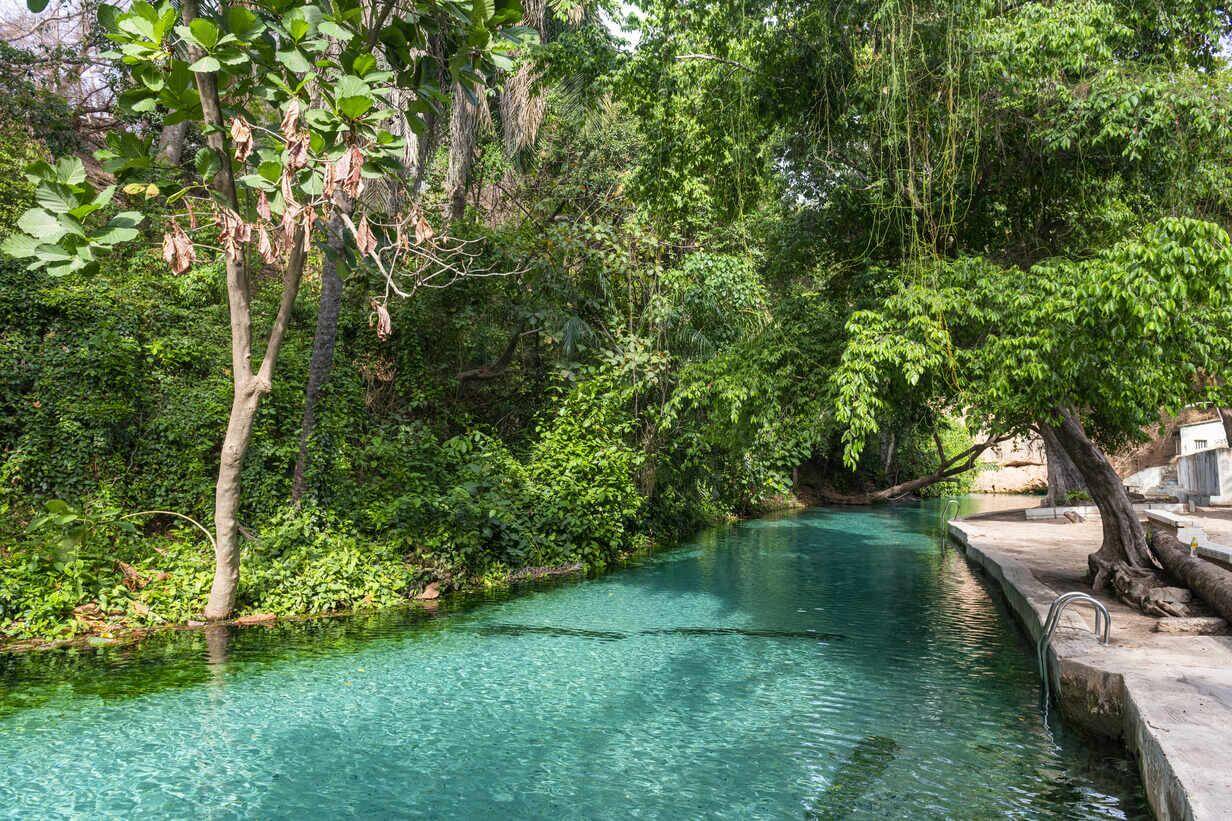
The park is also an excellent birding destination, with numerous savanna and woodland bird species that appeal to enthusiasts and photographers. One of its most famous features is the crystal-clear Wikki Warm Spring, a naturally warm, turquoise-colored pool where visitors can swim in water that stays pleasantly warm year-round.
A typical visit to Yankari includes guided or self-drive game drives at dawn and dusk, when animals are most active and easier to see. Between safaris, many guests relax and swim at Wikki Warm Spring, turning the park into a hybrid of safari adventure and resort-style downtime.
Walking around designated areas near the camp and springs allows visitors to observe troops of baboons and monkeys up close, though park rules emphasize not feeding wildlife. Multi-day stays increase chances of sighting elephants and more elusive species, making weekend or long-holiday packages especially attractive.
The dry season is generally considered the best time to visit Yankari National Park, because vegetation is thinner, water is more concentrated, and animals are easier to spot around waterholes. Cooler mornings and evenings during this period also make game drives more comfortable.
Visitors should come with lightweight clothing, a hat, sunscreen, insect repellent, and binoculars for birdwatching and distant animal sightings. Because of the park’s location, planning transport and accommodation in advance is crucial, and staying inside or near the park for at least two nights provides the best balance of travel time and experience.
Quick Facts
- •Size: 2,244 square kilometers
- •Home to the largest remaining elephant herd in Nigeria
- •Features Wikki Warm Springs at a constant 31°C
- •Over 150 bird species recorded
- •Established as a game reserve in 1956